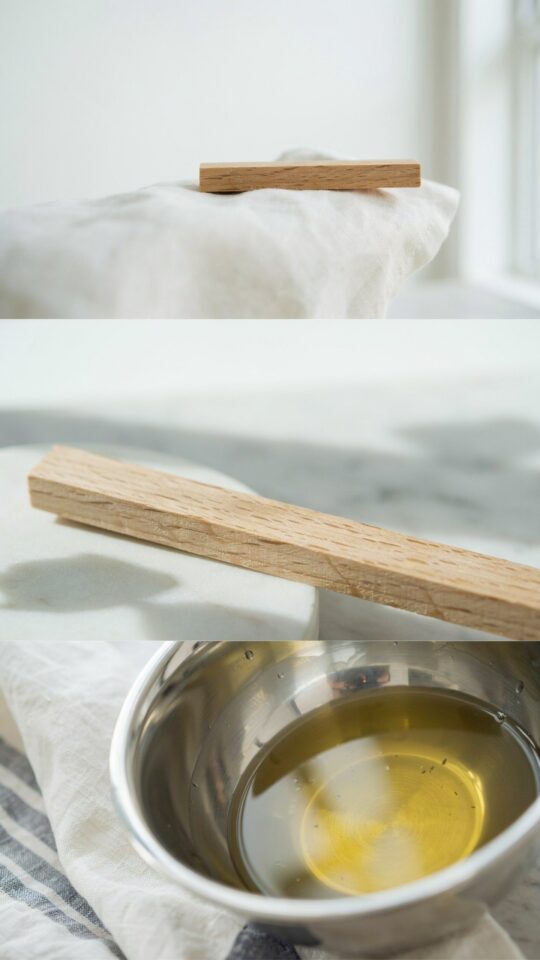
There is something truly mesmerizing about the candle making process. Melting wax, coating the wick with coconut oil, and pouring into a glass vessel creates a calming ritual that turns a simple hobby into soothing DIY home decor. I have tried many weekend projects, but this one always leaves my house smelling warm and my mind reset. You do not need expensive equipment or years of experience. Just a few basic supplies, a little patience, and the willingness to get your hands slightly messy. Let me walk you through the concrete steps I use every time I make a candle.
Gathering Your Candle Making Supplies
Before you start, get everything together in one spot. Running for a forgotten tool while wax is cooling ruins the rhythm. Here is my standard list for a single 8-ounce glass jar candle:
- Wax: I prefer soy wax flakes because they are forgiving for beginners and have a creamy appearance.
- Wick: Choose a pre-tabbed cotton wick sized for your container diameter (my 8-ounce jar uses a LX-18 wick).
- Coconut oil: Unrefined virgin coconut oil works best. It is solid at room temperature and melts easily.
- Fragrance oil: Use candle-safe oils, not essential oils that evaporate or clog the wick.
- Double boiler setup: A small saucepan with water and a heat-safe pouring pitcher or Pyrex measuring cup.
- Candy thermometer: Crucial for hitting the right pour temperature.
- Wooden skewer or chopstick: For stirring and holding the wick centered.
- Glass jar: Clean, dry, and room temperature.
- Wick holder or clothespin: Keeps the wick upright while the wax sets.
I also keep a towel and a spatula nearby for drips. Measuring your wax by weight is more reliable than volume, so a small kitchen scale helps a lot.
Choosing the Right Wax and Fragrance
Soy wax is my go-to because it burns cleanly and has a natural look. For a stronger scent throw, you can mix soy with a little beeswax or paraffin. If you want a fully plant-based candle, stick with 100% soy. For fragrance, aim for 6% to 8% of the wax weight. That means for 200 grams of wax, you add 12 to 16 grams of fragrance oil. Too much oil can clog the wick or cause the candle to smoke. I learned that the hard way with a lavender overload that turned into a sooty mess.
Pick scents that match your intended room vibe. Vanilla and cedar make a cozy living room candle. Citrus and mint work better in a kitchen or bathroom. Write down your exact amounts so you can repeat your favorite blend later.
Preparing the Wick with Coconut Oil Prep
This step is the unique twist that sets this candle apart. Coating the wick with coconut oil before pouring helps the wick catch flame more easily and adds a subtle moisture note to the burn. Here is exactly how I do it:
- Cut your wick about 2 inches longer than your jar height.
- Dip the entire cotton wick (not just the tab end) into melted coconut oil. Use a small spoon to work the oil into the fibers.#candlemaking #aesthetic #diyscentedcandles #homedecor #candlecraft
This post was researched and drafted with AI assistance, then personally reviewed and edited by Diana before publishing.
Leave a Comment