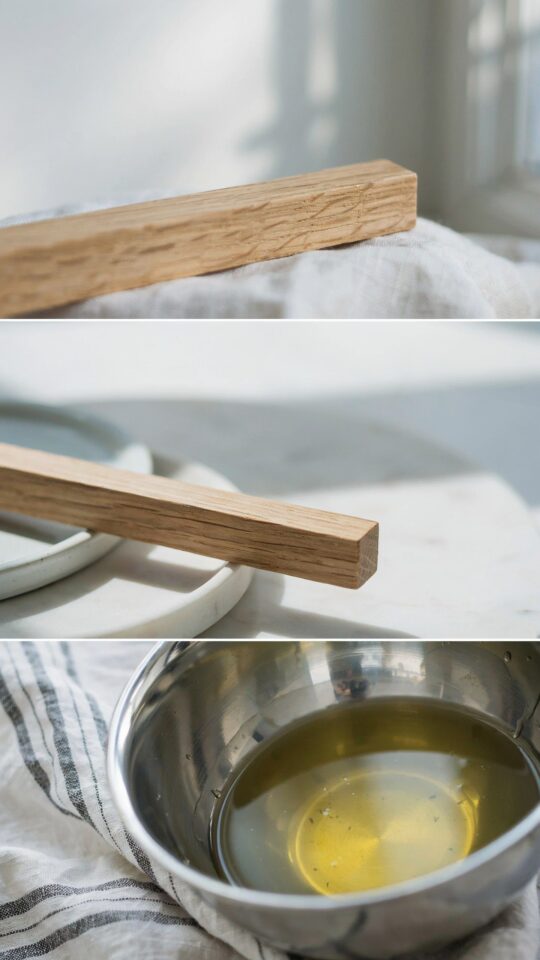
If you have ever wanted to try aesthetic candle making, you are in the right place. There is something truly satisfying about melting wax, preparing wicks, and pouring your own scented soy candles that instantly make a room feel cozier. This practical guide walks you through the whole process step by step, so you can create beautiful homemade decor without the guesswork. Let us turn simple ingredients into candles that look as good as they smell.
Getting Started with Soy Wax and Simple Tools
Before you melt anything, gather your supplies. Good soy candle making starts with the right equipment, and you do not need a lot of fancy gear. Here is what I recommend for a smooth first batch:
- Soy wax flakes (natural, clean burning, and easy to work with)
- Candle wicks with metal tabs (cotton or wooden, depending on your style)
- A pour pot or heatproof glass measuring cup (for melting in a water bath)
- A thermometer (to keep wax at the perfect temperature)
- Candle containers (small mason jars, ceramic cups, or tin tins)
- Fragrance oils (choose scents you love, like lavender or vanilla)
- A wick centering tool (or a pencil and tape to hold the wick in place)
Set up your workspace on a protected counter or a baking sheet. Soy wax spills are easy to clean, but better safe than sorry. Having everything ready before you start makes the whole process feel calm and intentional.
The Art of Melting Wax: Temperature and Tips
Melting soy wax is simple once you know the temperatures. Fill a saucepan with a few inches of water, place your pour pot inside, and heat on low to medium. Never melt wax directly on a stovetop burner because it can scorch and discolor. Stir the flakes gently as they turn clear liquid.
Heat the wax to about 175 to 185 degrees Fahrenheit for the melt stage. Then let it cool to around 135 to 140 degrees before adding fragrance. Adding oil to hot wax can cause the scent to burn off or fade. A thermometer is your best friend here. I keep mine clipped to the side of the pot so I can read it easily.
Choosing the Right Wick for a Clean Burn
Not all wicks work well with soy wax. Soy wax tends to be softer than paraffin, so you need a wick that burns evenly without tunneling. For most containers, a cotton wick with a small tab works perfectly. If you want a little crackle, try a wooden wick.
Match your wick size to the diameter of your jar. A wick that is too small will leave unmelted wax around the edges. A wick that is too large creates a sooty flame. A good rule of thumb: for a 2.5 inch wide container, use a medium cotton wick. For wooden wicks, follow the manufacturer guidelines. Always trim the wick to about a quarter inch before lighting.
Mixing Scents: Creating Your Own Signature Aroma
This is where your candles become truly personal. Use fragrance oils that are formulated for
#candlemaking #aesthetic #scentedcandles #candledecor #homemadewax
This post was researched and drafted with AI assistance, then personally reviewed and edited by Diana before publishing.
Leave a Comment